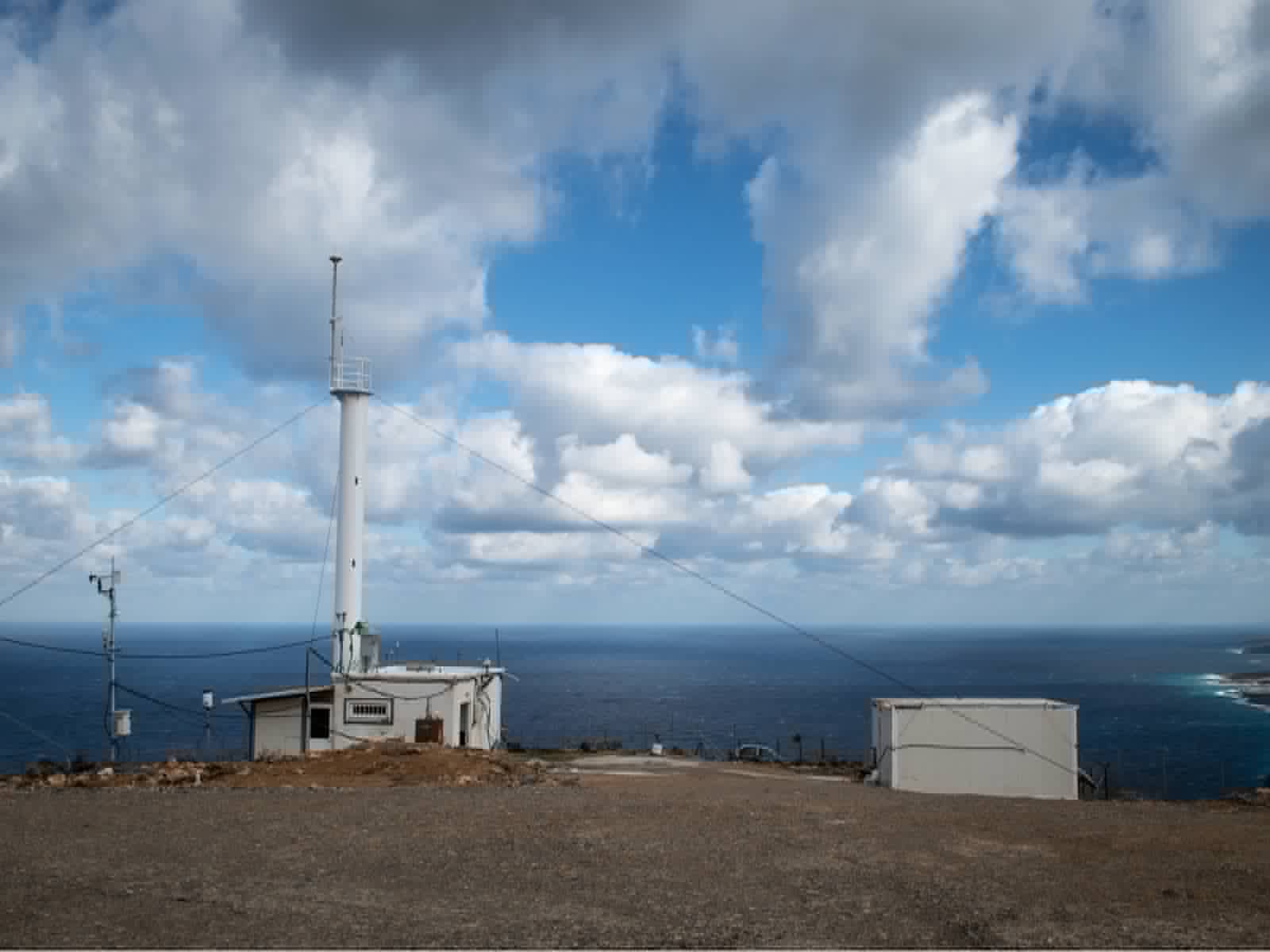
Finokalia Station(https://finokalia.chemistry.uoc.gr/)
Observations
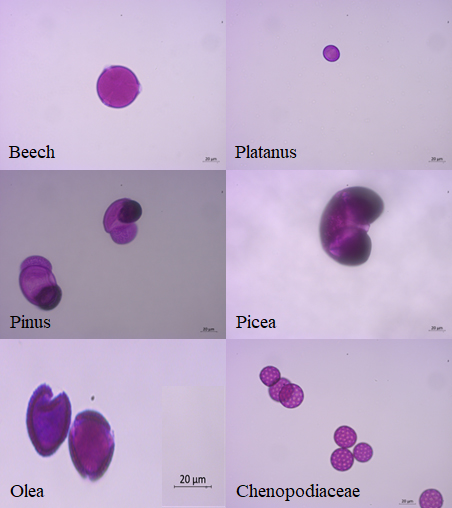
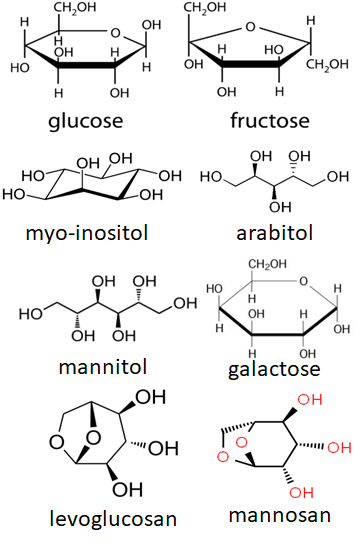
New observations at Finokalia for at least one year will include bioaerosols (<20 μm) and pollen number concentrations, sugars (primary saccharides that are indicators of bioaerosols), and size-segregated P speciation in aerosols. In addition, total organic carbon (TOC), water soluble organic carbon (WSOC), water soluble organic nitrogen (WSON), all major anions and cations and metals will be measured on filters and used for the source apportionment analysis as further discussed. Wet deposition fluxes of the compounds of interest will be also measured. Trace gases (O3, NOx, CO), black carbon, radon, aerosol size distribution measurements and meteorological measurements are routinely measured at Finokalia and will be used for the data interpretation. To increase the geographic coverage of BioCAN data, the observations at
Finokalia will be complemented by aerosol filter samples from the closest to Finokalia large city, Heraklion
(urban emissions). Long term observations in both the West and East Mediterranean, of aerosol
composition at Corsica, Crete (Finokalia) and Cyprus (Ag. Marina), and wet and dry deposition at Cap
Béar (France) and Finokalia will be compiled.